
Navigating AI and Automation in Finance
Artificial intelligence (AI) and automation are rapidly transforming the finance landscape, presenting both opportunities and challenges for CFOs and finance leaders. Understanding these technologies is crucial for strategic decision-making, operational efficiency, and maintaining a competitive edge.
Key areas impacted by AI and automation include financial forecasting, risk management, fraud detection, and process automation. Organizations are increasingly leveraging these tools to gain deeper insights from data, streamline repetitive tasks, and improve accuracy in financial reporting.
Strategic Budgeting in a Volatile Economy
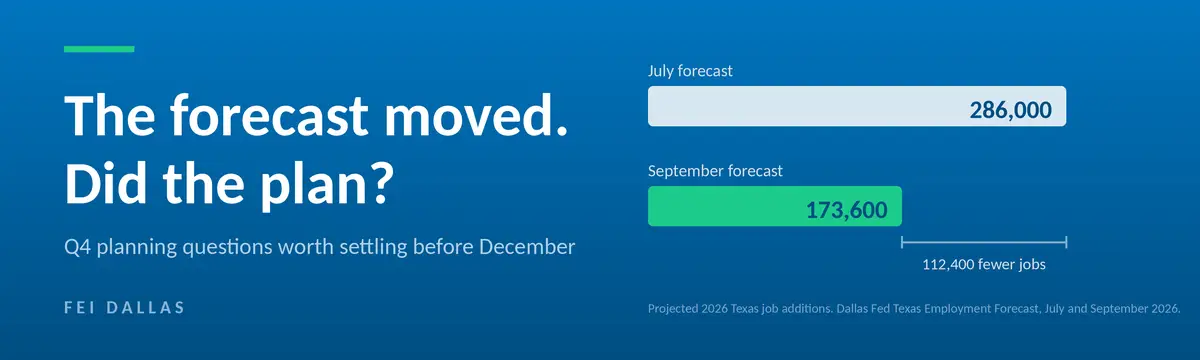
In today's unpredictable economic climate, strategic budgeting is more critical than ever for finance leaders. It requires a proactive approach that goes beyond traditional forecasting to incorporate flexibility, scenario planning, and robust risk assessment.
Effective strategic budgeting involves not only setting financial targets but also understanding the underlying assumptions and potential disruptions. This includes developing contingency plans, optimizing resource allocation, and continuously monitoring key performance indicators to adapt quickly to changing market conditions.
Developing and Retaining Top Finance Talent
The finance industry faces ongoing challenges in attracting and retaining skilled professionals. Building a strong finance team requires a multifaceted approach that addresses compensation, career development, work-life balance, and a positive organizational culture.
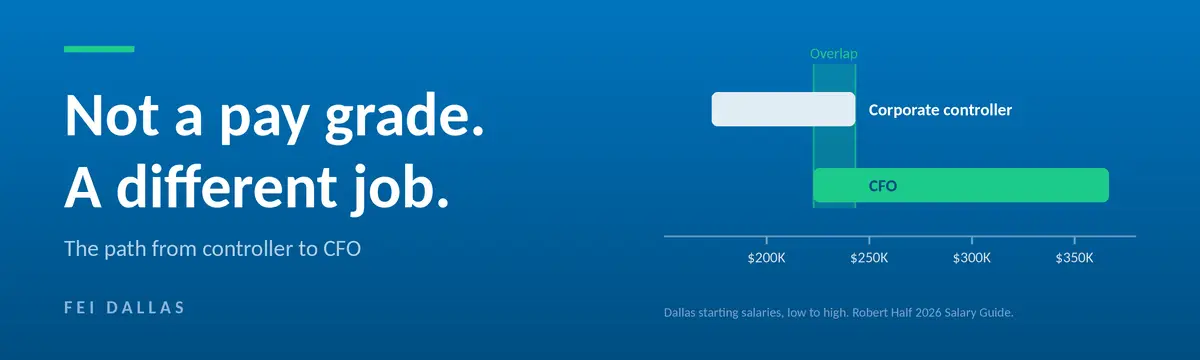
Strategies for talent management include offering competitive benefits, providing opportunities for upskilling and professional growth, and fostering an environment where employees feel valued and engaged. Addressing the specific needs and aspirations of finance professionals is key to overcoming talent shortages and ensuring long-term success.
Understanding the New "Return on Time" for CFOs
The concept of "Return on Time" (ROT) is emerging as a critical metric for CFOs, emphasizing the strategic allocation of their most valuable resource: time. In an era of constant demands and evolving responsibilities, maximizing the impact of time spent on high-value activities is paramount.
This involves identifying and prioritizing tasks that drive strategic growth, innovation, and organizational efficiency, while delegating or automating less critical functions. By focusing on ROT, CFOs can ensure their efforts are aligned with key business objectives and contribute most effectively to the company's overall success.